Our History
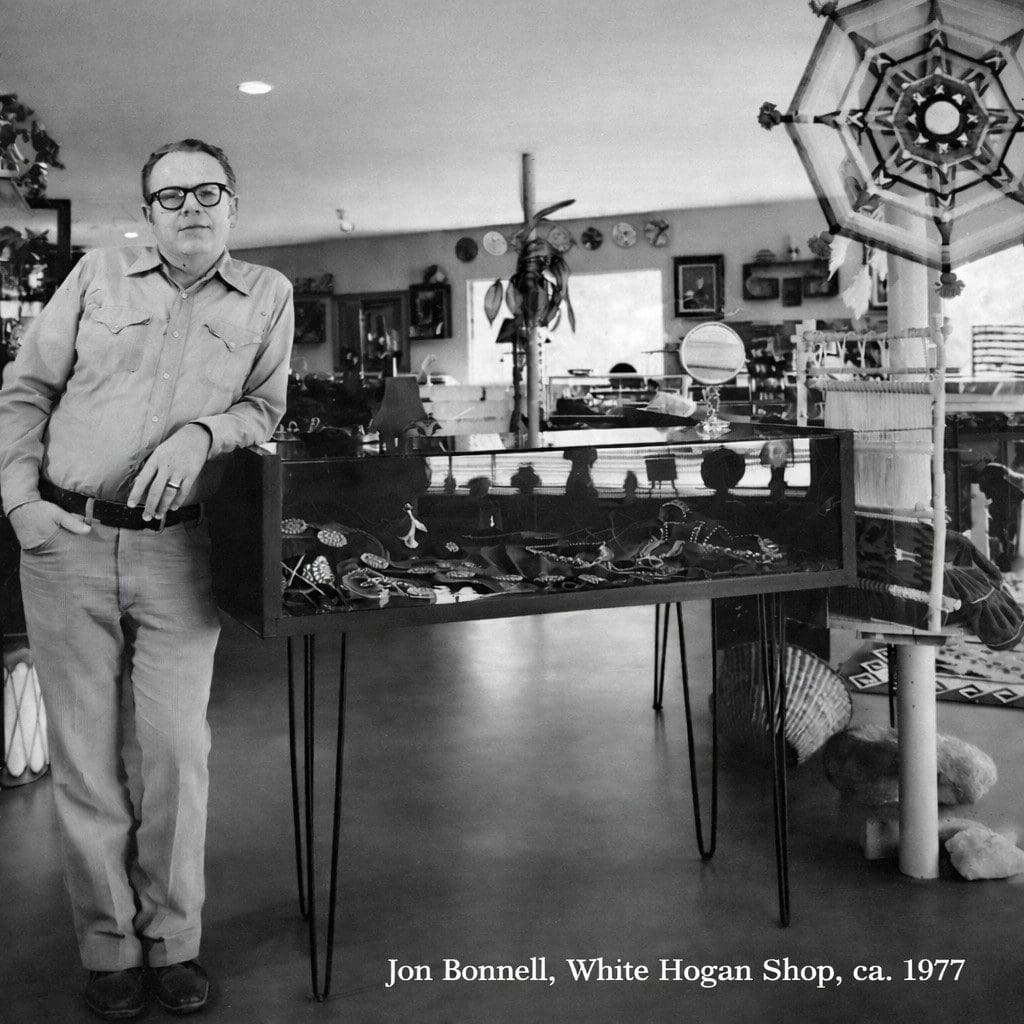
From 1946 to 2006, the White Hogan shop produced innovative and finely crafted Native American silverwork. Over its 61-year history, the shop became internationally recognized for creating distinctive pieces that are now highly prized by collectors worldwide.
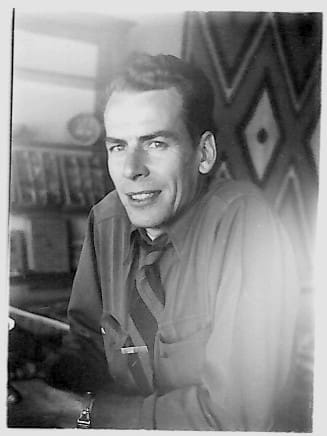
1936: John and Virginia Bonnell, with 1-month old Jon move to Phoenix, Arizona
1937-1941: John Bonnell is the “Trading Post Manager” for Fred Wilson’s Trading Post in Phoenix
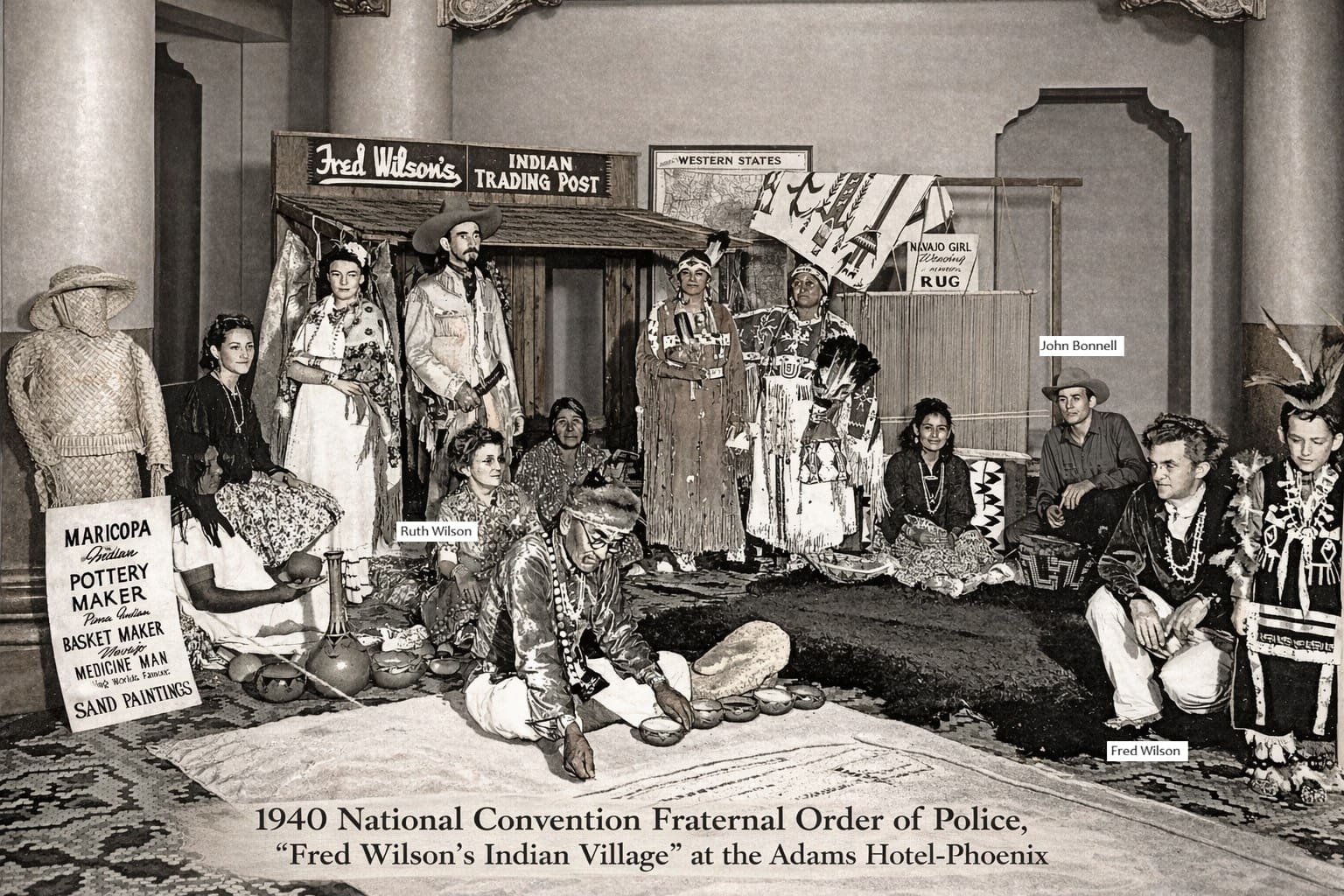
1941-1945 : John Bonnell is a ground school instructor at Falcon Field in Mesa, Arizona during WWII
1945 : After the war John, Virginia, and Jon move to Flagstaff, Arizona. John is the manager at Verkamps Indian Curio shop on San Francisco Street, across from the Monte Vista Hotel in downtown Flagstaff.
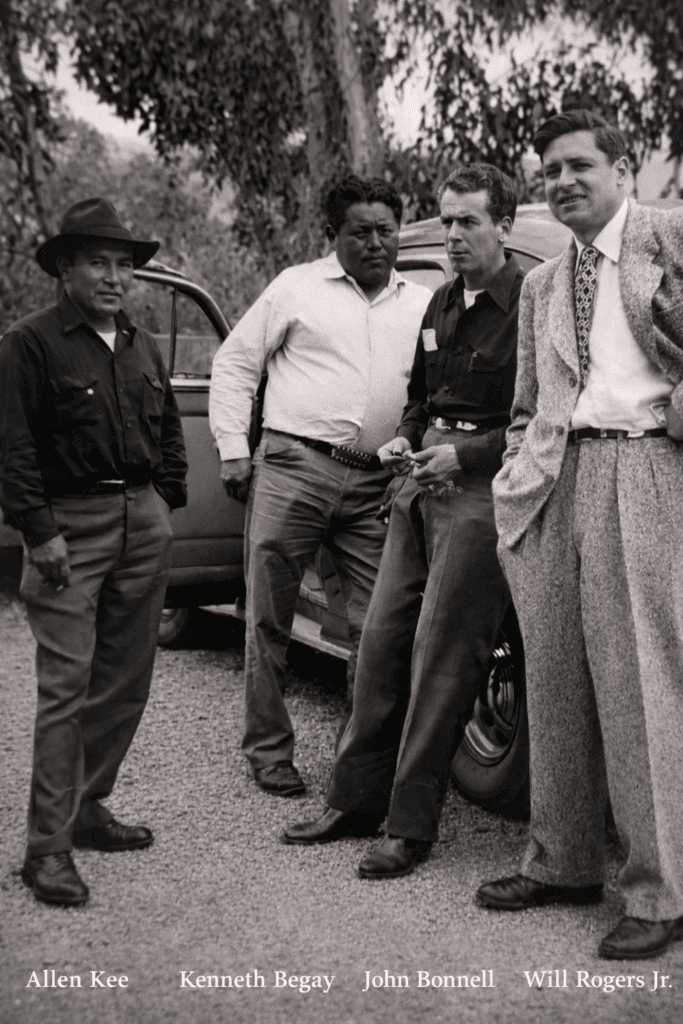
1946 : The Bonnell's and partners Kenneth Begay, Allen Kee, and Mr. & Mrs. Greer open a hotel and gas station at Camp Townsend, six miles east of Flagstaff. A converted white garage, with a pitched roof becomes an Indian Trading Store, giving rise to the “White Hogan” name.
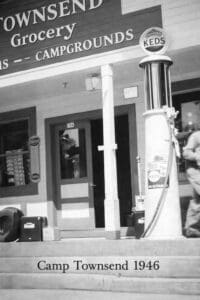
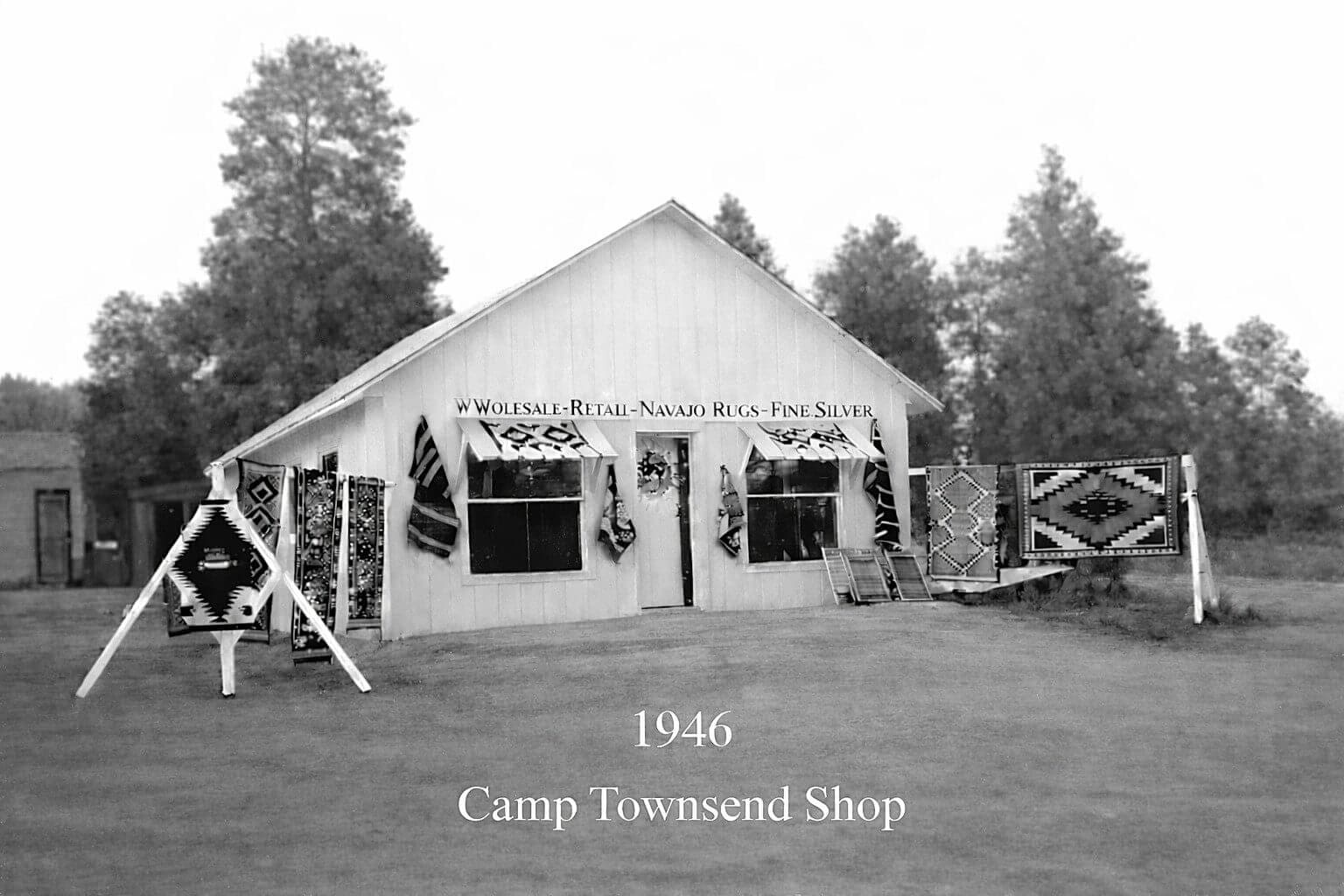
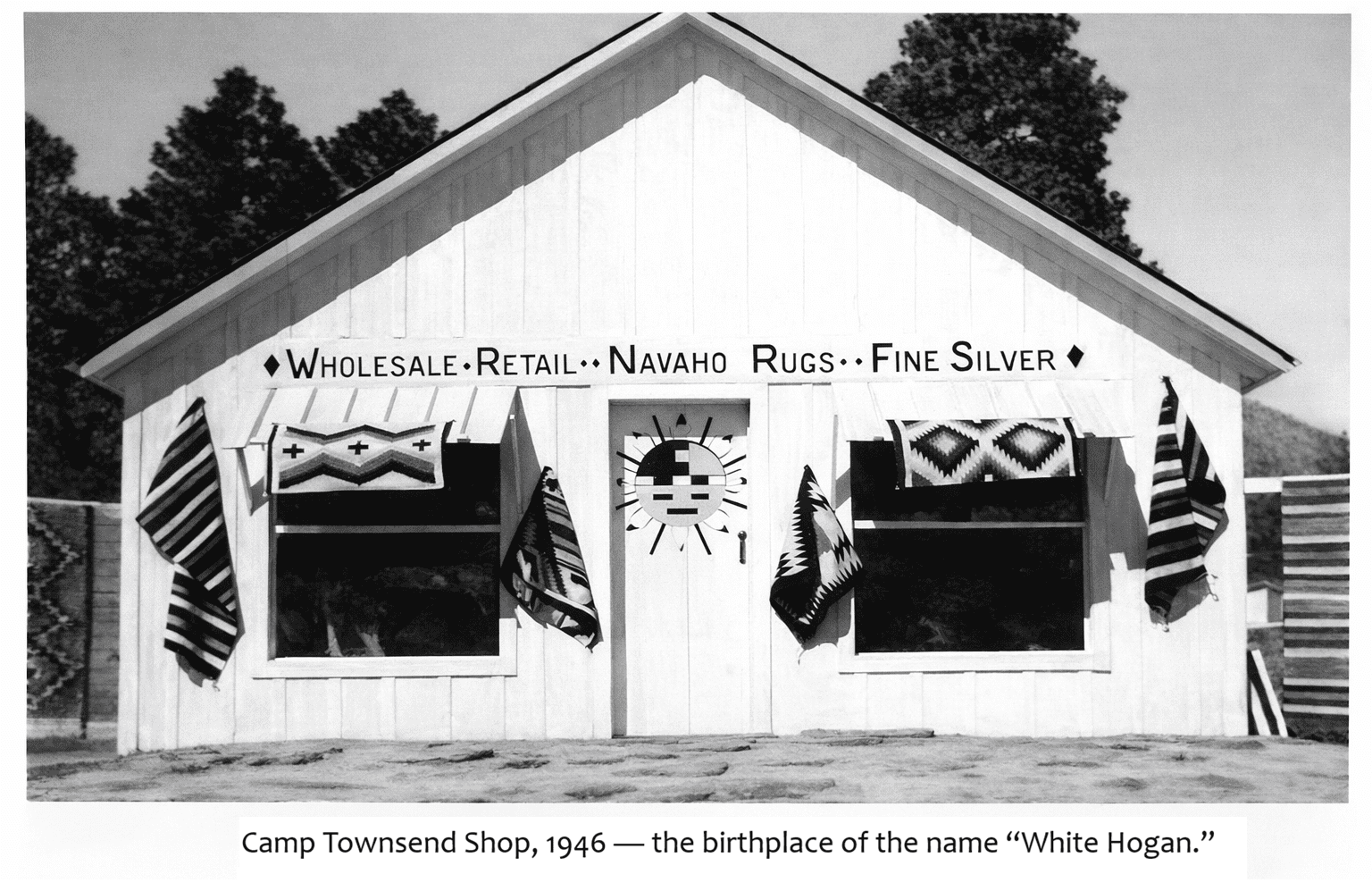
1947 : The Bonnell's, Kenneth Begay, and Allen Kee sell their stake at Camp Townsend to the Greers and move to a small shop 2-miles closer to Flagstaff, near the Museum Club.
1947-1948 : The Bonnell's, Kenneth Begay, and Allen Kee move their families to a ranch in the Verde Valley, Arizona where they built the first “hogan” looking building and set up shop.
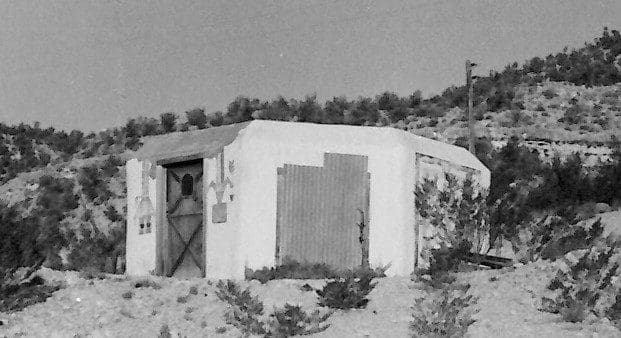
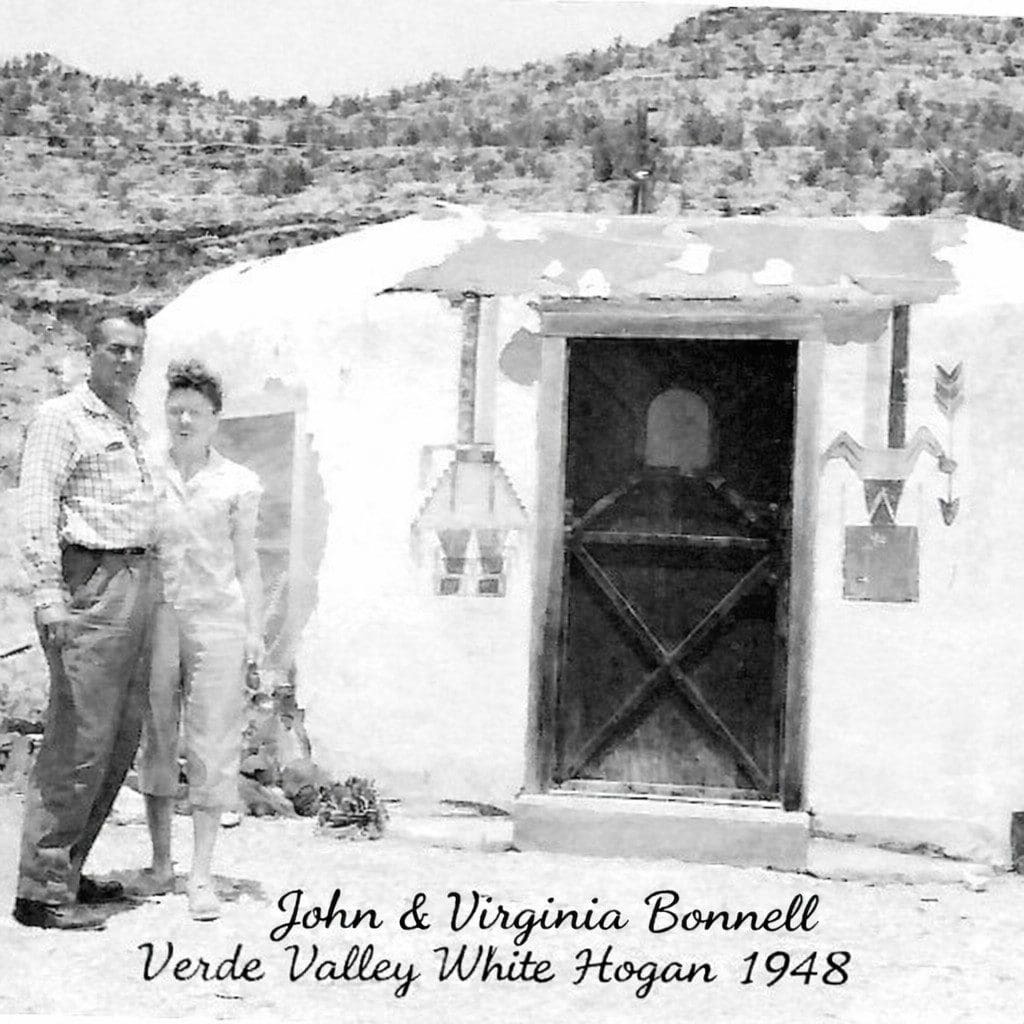
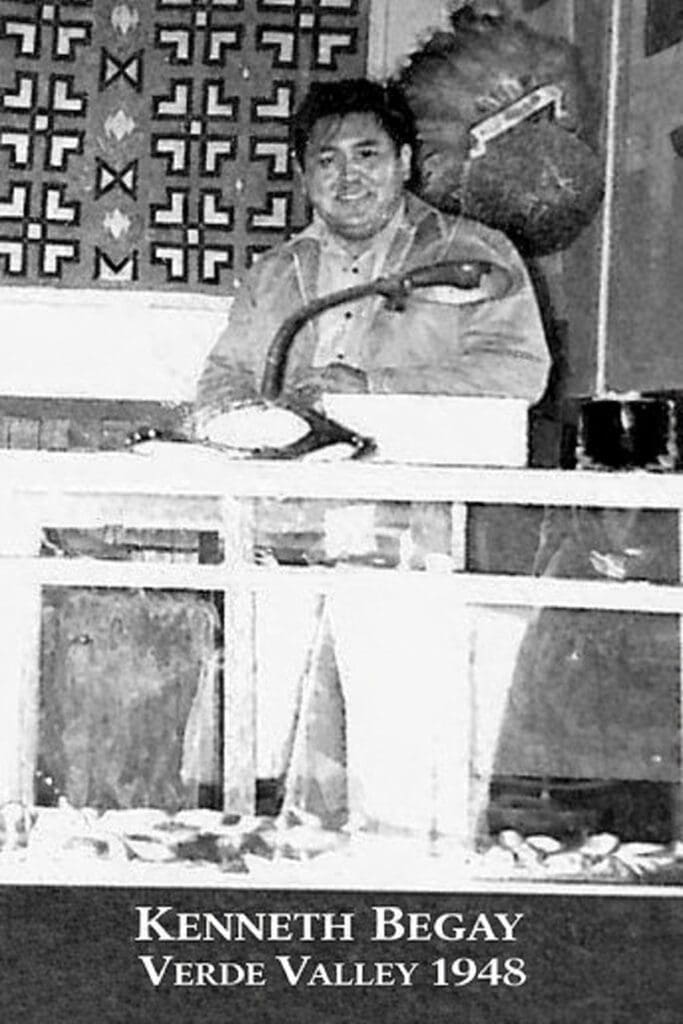
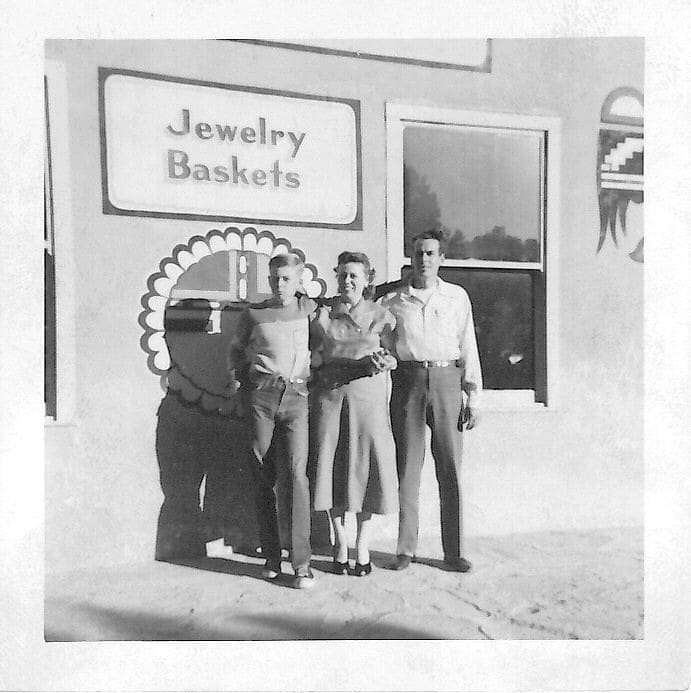
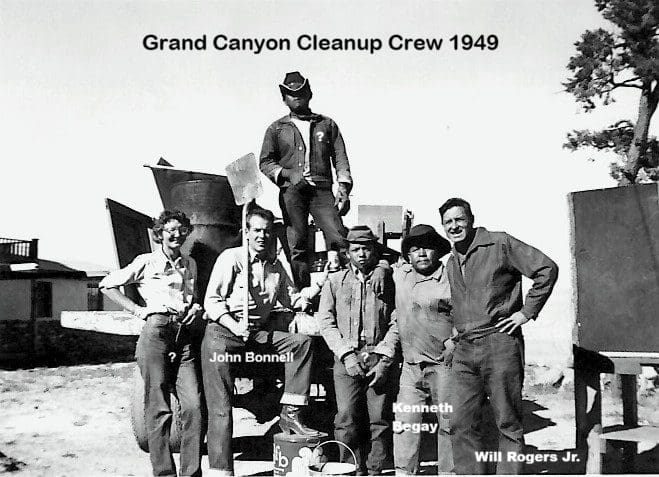
1948-1949 : The store and families relocate to the South Rim of the Grand Canyon, opening a shop at Barker Village and selling goods through The Rogers Place, a “Bar-Buffet” and small gift shop operated by Will Rogers Jr.
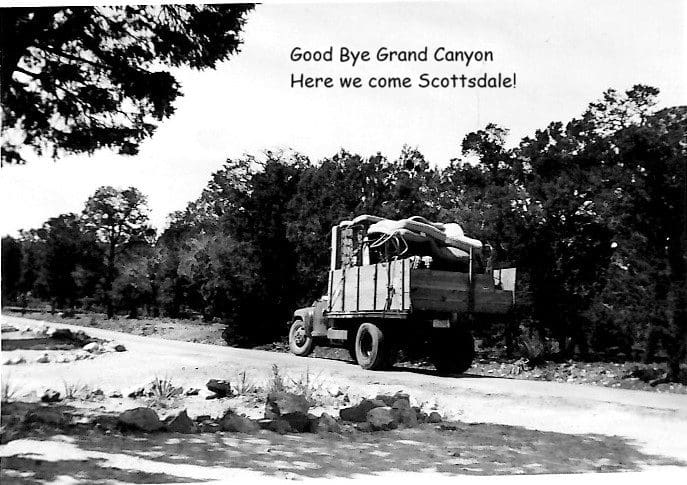
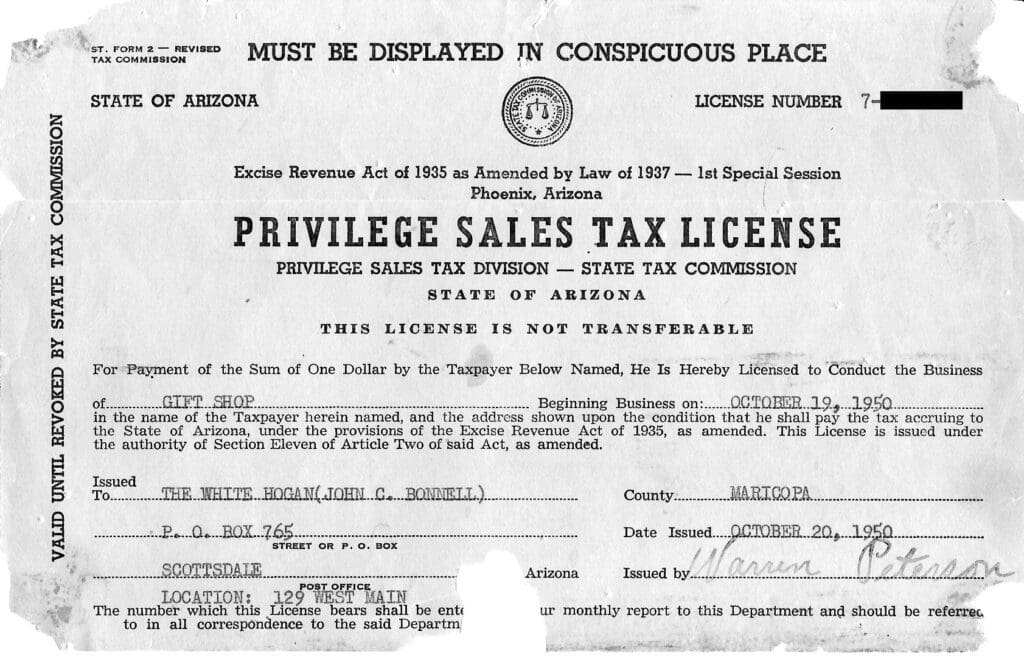
1950 : The White Hogan Moves to Scottsdale, Arizona! The initial location of the White Hogan shop was located at 129 W. Main Street in Scottsdale, Arizona.
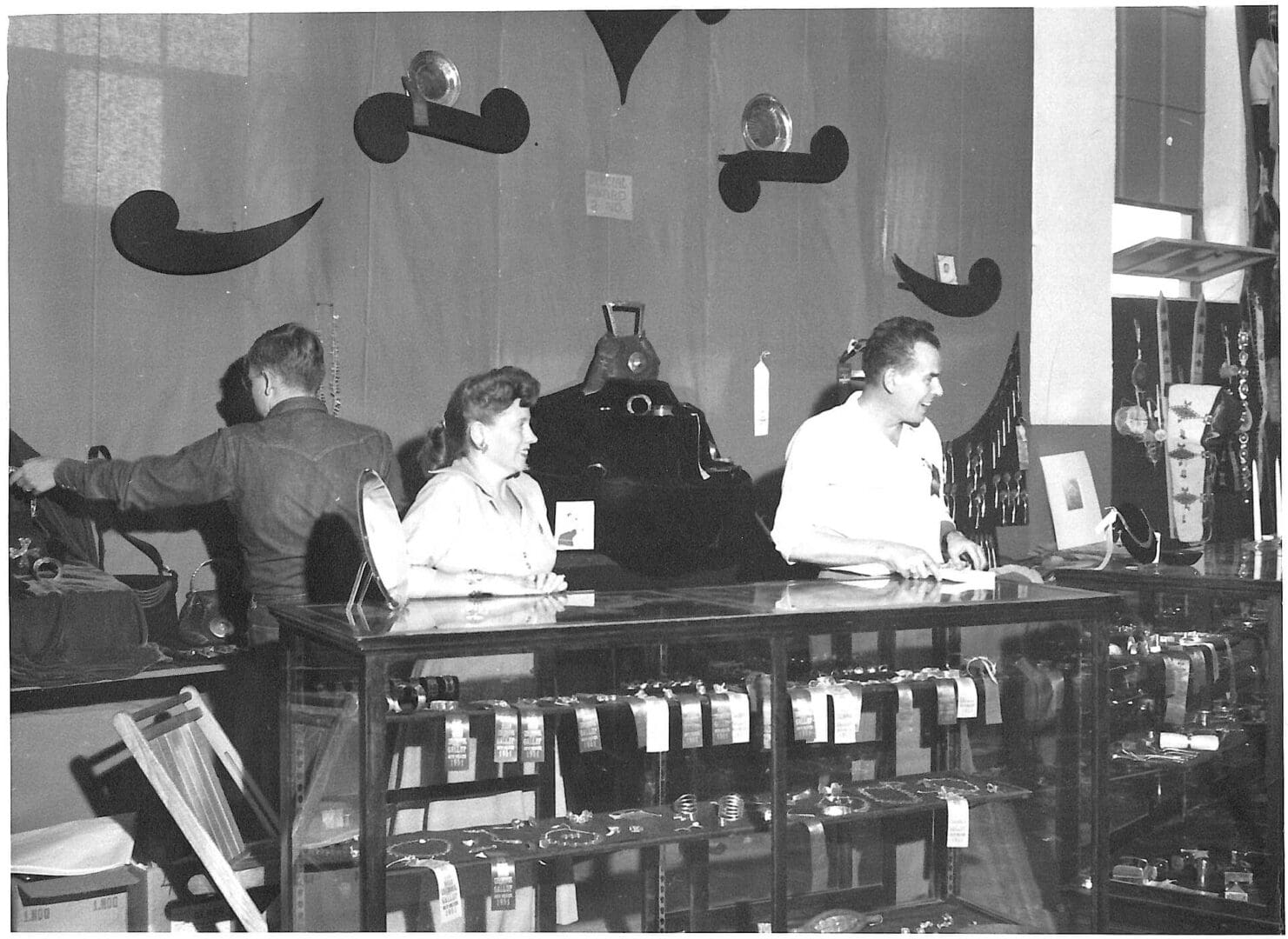
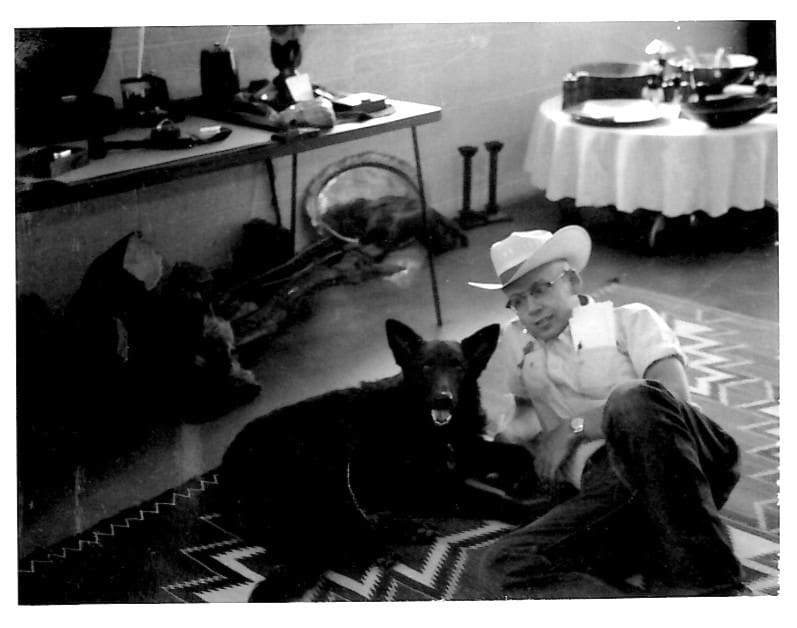

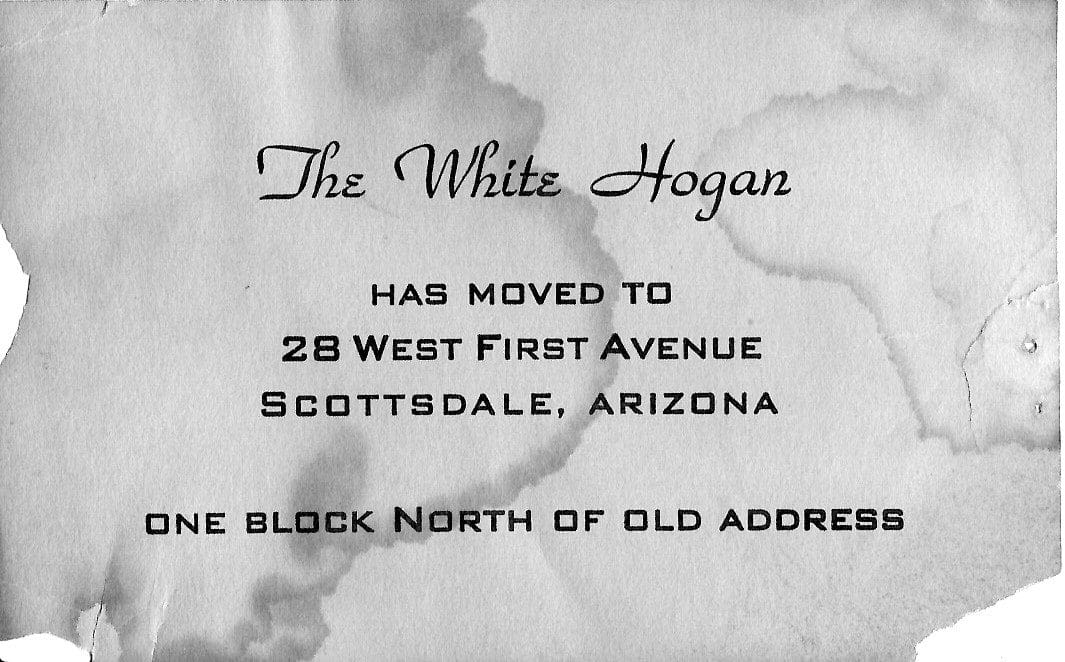
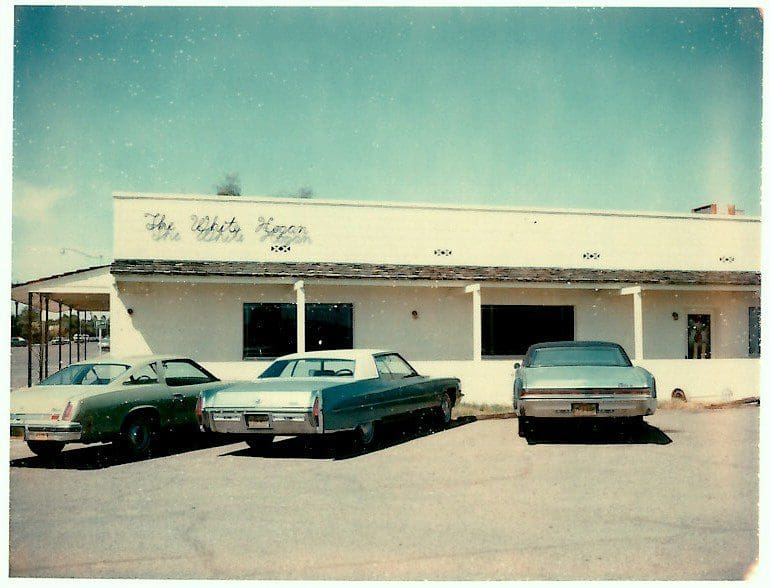
1958 : The White Hogan moved into a freestanding building at 28 W. First Avenue. In the late 1960s, the City of Scottsdale changed the address to 7144 E. First Avenue, where the White Hogan continued creating exceptional silver art through 2006.